Scenario 1: Aseptic Cold Filling PET Plastic Bottle Line – Rapid Control of Appearance and Liquid Level
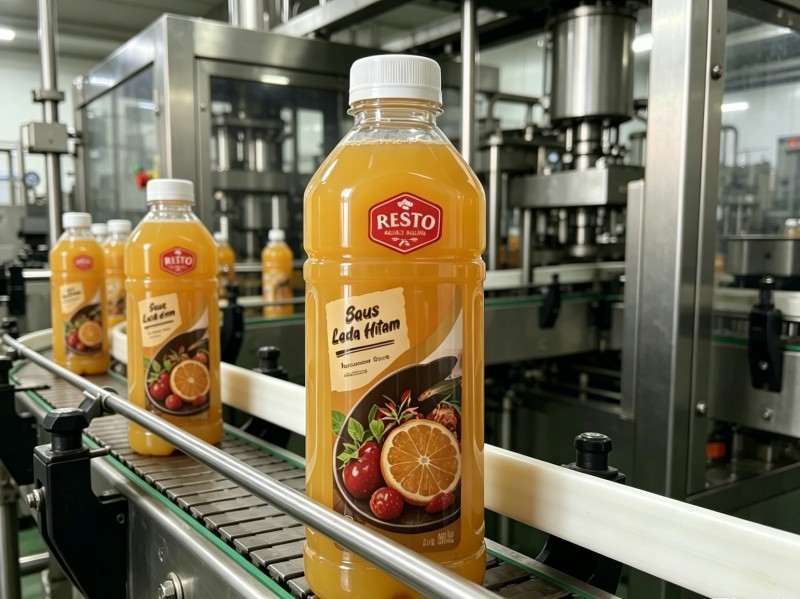
Application scenarios: The most common 300ml-1L transparent/semi-transparent PET plastic bottles for juice and tea beverages.
Key pain points:
High-speed capping and labeling defects: High-speed capping can easily lead to caps not being pressed tightly (high caps), misaligned threads (crooked caps), and broken tamper-evident rings; self-adhesive labels are prone to misalignment and wrinkles.
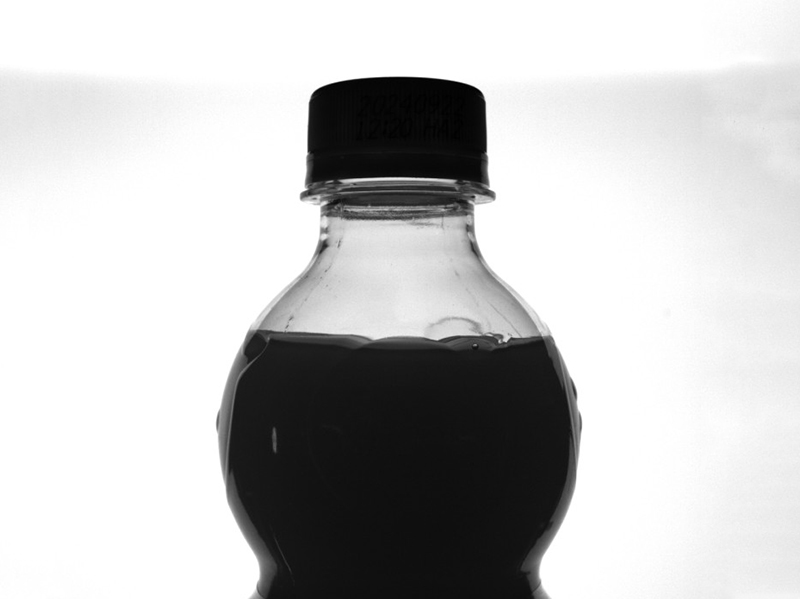
Fruit pulp/foam interference with liquid level: Foam or suspended fruit pulp generated during juice filling often causes ordinary sensors to misjudge the liquid level.
Recommended model


Testing items (testing content is configurable):
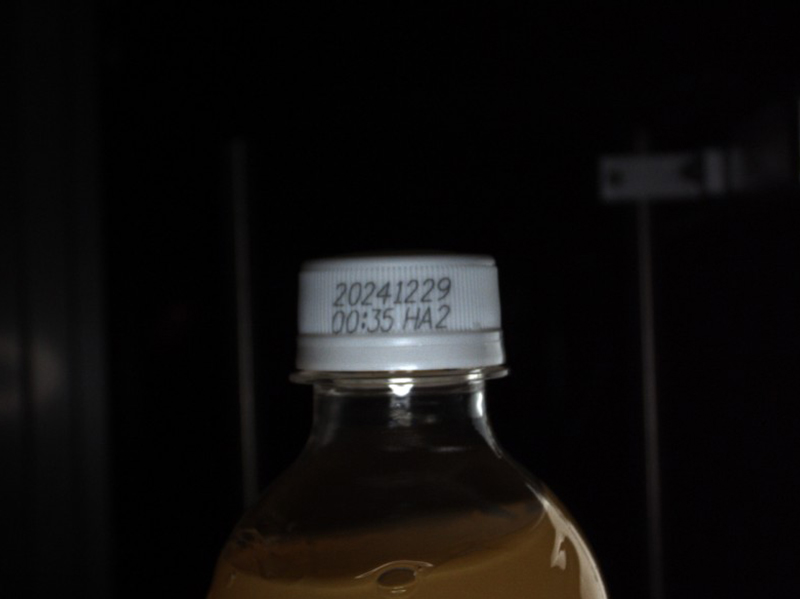
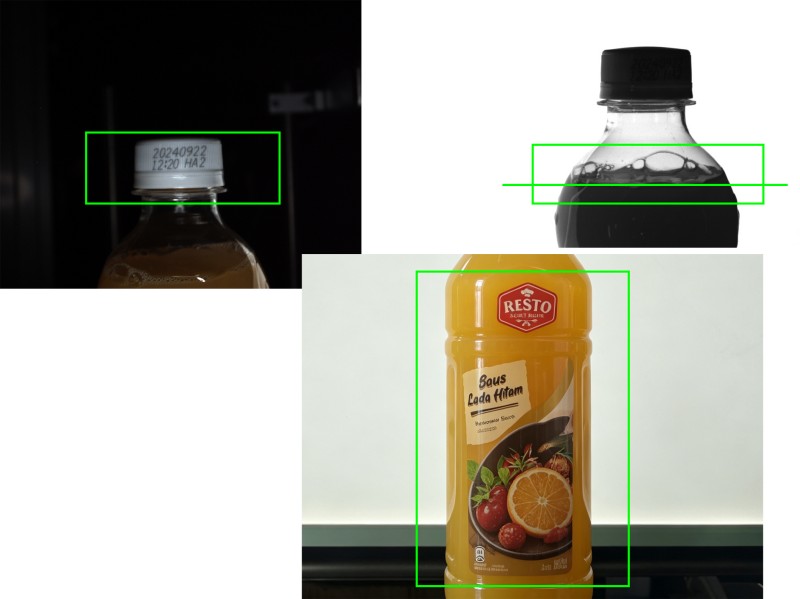
High outer cover, security ring: Industrial cameras capture bottleneck areas and accurately identify high outer covers, crooked covers, and broken security rings.
High-precision liquid level measurement with anti-interference capability: Exclusive visual algorithm intelligently identifies image interference from fruit pulp particles and surface foam, accurately locating the real liquid level baseline.
Labeling: Identify label height differences and misalignment of seams.
OCR coding: Cameras can be configured according to different coding positions to read the bottle's production date/batch number, etc.
Scenario 2: Tetra Pack/Brick-shaped Cardboard Box Line (Aseptic Cartons) – Missing Parts and Hidden Foreign Object Interception
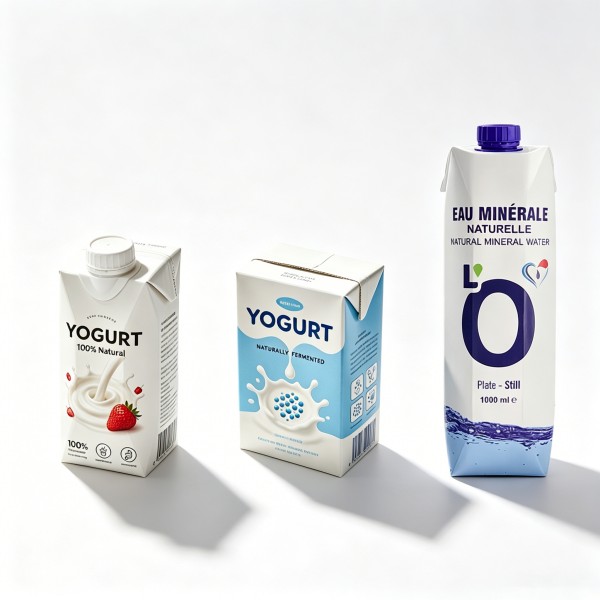
Application scenarios: Aseptic Tetra Pak bricks commonly used in 100% pure fruit juice, lactic acid bacteria, and milk beverages.
Key pain points:
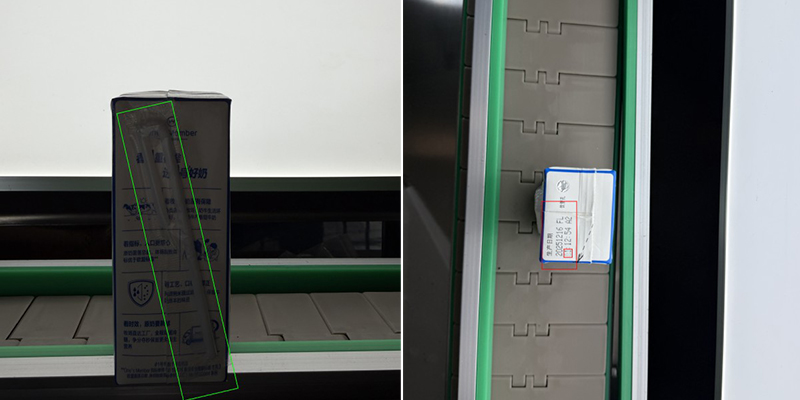
Missing attachments: The U-shaped straws on the side of the cardboard box are prone to being missed or misaligned during high-speed glue application, directly affecting the user experience.
Coding distortion: The top of the cardboard box is usually sloping, making it easy for the coding to become deformed, missing, or blurry.
Recommended model
Test items:
Vision - Straw Missing Detection: Accurately identifies the outline and reflection of straws on the side of the cardboard box, and instantly issues a rejection command once a missing straw is detected.
Visual - Top OCR Traceability: Character reading algorithm optimized for beveled surfaces, eliminating blurry and incomplete batch numbers.
Scenario 3: Spouted Pouches for Juice Packaging – A Secure Sealing and Spout Protection System
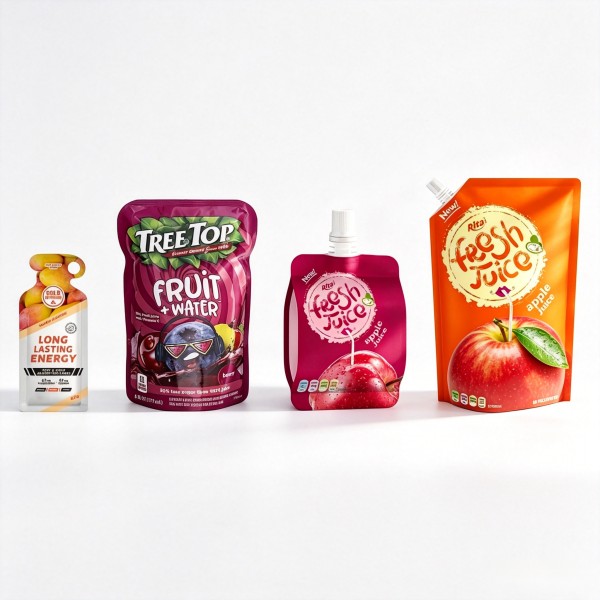
Application scenarios: Children's juice, portable bagged jelly orange juice, and large-capacity soft-pack juice for catering, which have become extremely popular in the market in recent years.
Key pain points:
Leakage due to material getting stuck in the seal: During filling, juice/puree is prone to splashing and getting stuck on the heat-sealed edge of the aluminum foil bag. If the material getting stuck is not properly welded, the product may leak sideways or ferment and swell during circulation.
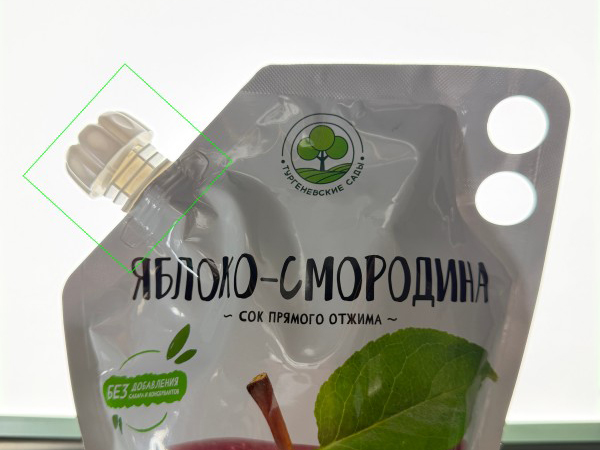
Defective to the mouthpiece cap: If the small mouthpiece cap is not tightened properly (high cap/crooked cap), it may cause the liquid to burst when squeezed, and there is a risk of children swallowing it.
Recommended model
Test items:
Visual inspection can identify "fruit pulp inclusions", "misaligned sealing", "air bubbles" and "wrinkles" in the sealing process, thus preventing potential leakage in advance.
Visual inspection - nozzle full inspection: The camera focuses on the nozzle area to reject products with high or crooked caps in real time;
OCR inkjet printing inspection can simultaneously detect the production date inkjet printing on the surface of the soft bag, and the detection content can be flexibly configured according to the production line's needs.
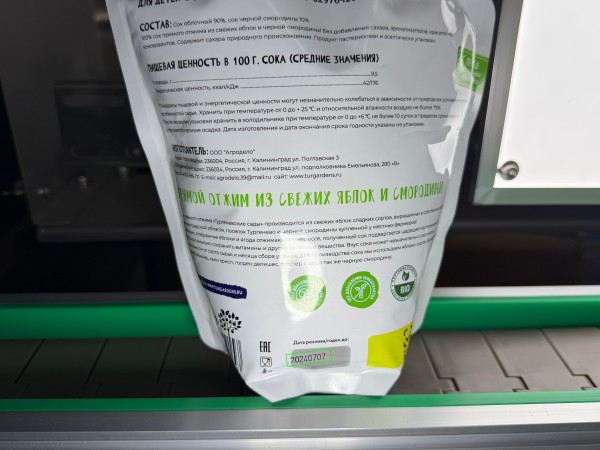
Scenario 4: Glass Bottling Line – The World-Class Problem of “Glass Mixing with Glass”
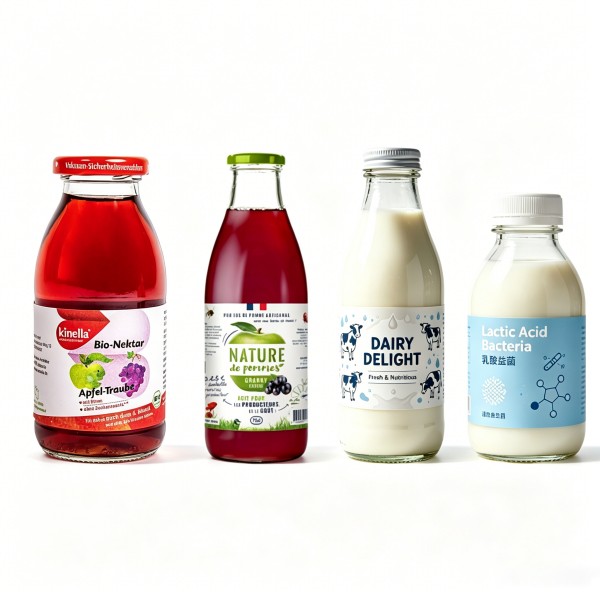
Application scenarios: concentrated fruit juice, dairy products, fruit tea (usually using wide-mouth glass bottles).
Key pain points:
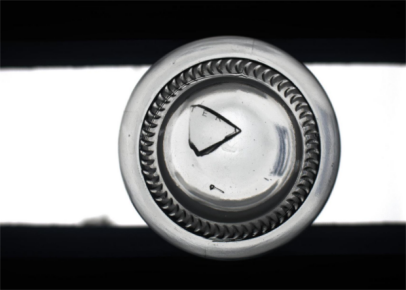
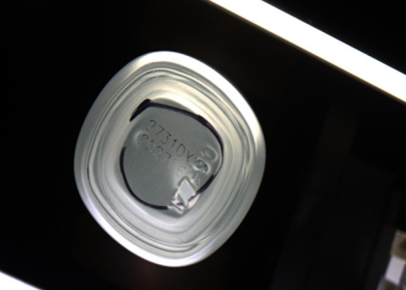
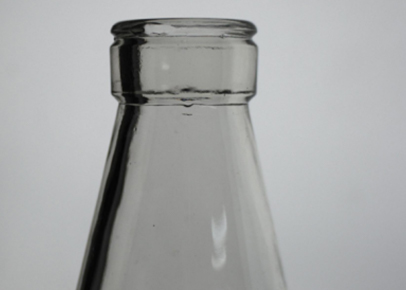
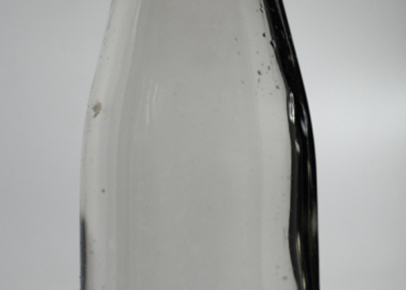
Bottle body/bottle mouth defects: Glass shards caused by impacts and breakage during cleaning. Due to the similarity in material and density, traditional inspection methods make it extremely difficult to comprehensively identify "glass shards" and "bottle body chips".
Recommended model
Test items:
Visual Inspection - 360° Appearance Inspection: Images are captured by 6 cameras at different angles, and the system's AI model automatically identifies glass fragments and bottle dents by comparison.