SCENARIO 1: GLASS & PLASTIC BOTTLE PACKAGING LINE
The Ultimate Defense Against Foreign Objects and "Level/Cap/Label" Labels

Application scenarios: Bottled chili sauce, wide-mouth salad dressing, and squeeze-type ketchup bottles commonly found on supermarket shelves.
Key pain points
Fatal defects in appearance and sealing: High-speed capping can easily result in incomplete capping (high outer cap/crooked cap), leading to vacuum failure and deterioration; bottle labeling is prone to bubbling and misalignment; foaming during filling can cause inconsistent liquid levels.
Foreign object blind spot: The bottle opening area is prone to forming a blind spot, where tiny foreign objects and sauce are mixed together and are extremely difficult to detect.
Recommended model


Test items
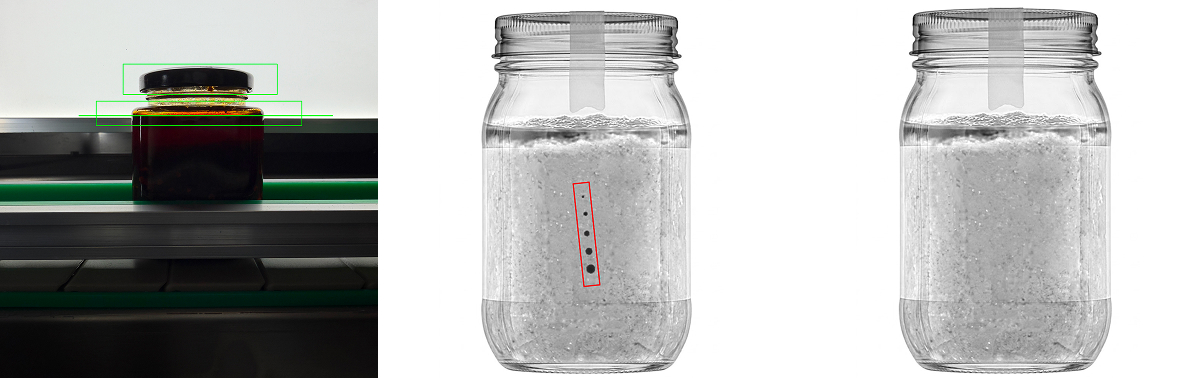
Visual Inspection - High Cover and Anti-theft Ring: Accurately identifies whether the cover is tilted (crooked cover), whether it is properly pressed in (high cover), and whether the anti-theft ring is broken.
Visual inspection - High-precision liquid level: Intelligent algorithms filter out wall adhesion and foam interference, accurately locating the true liquid level height.
Visual inspection - Label Inspection: Identifies height differences between front and back labels, label wrinkles and lifting, and OCR coding defects.
X-ray Inspection: Unique blind spot compensation algorithm avoids blind spots in the bottle opening area, and can also collect and generate images based on different X-ray penetration rates to distinguish sauce particles and foreign objects, accurately identify and remove them.
Scenario 4: Squeeze Tubes Filling Line
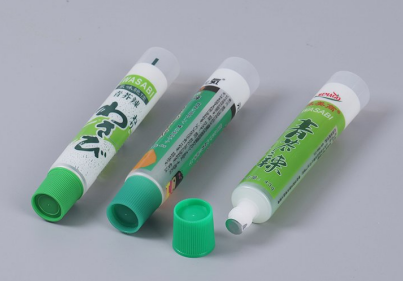
Application scenarios: Japanese wasabi tubes, high-end condiment tubes.
Key pain points:
Leaking and misalignment at the sealing end: If sauce gets trapped when pressing the end of the tube, it will cause poor welding at the sealing end; at the same time, misalignment of the pattern/color mark at the sealing end will seriously affect the product grade.
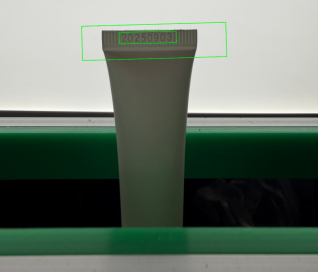
Stamped coding is difficult to identify: The tail of the hose usually uses a physical stamped coding (without color), which is difficult to see with traditional cameras.
Recommended model
Test items:
End-cap pattern correction: Identify the color markings at the end of the tube to ensure that the patterns on the front and back are absolutely centered and symmetrical.
Tail-end leakage: Captures tiny bits of sauce or dirt that have spilled out from the seal indentation.
OCR coding recognition: Customized solutions are available for different coding methods. For example, steel stamp coding uses low-angle dark field lighting to create a three-dimensional shadow on the colorless embossed steel stamp, achieving 100% accurate recognition.