Metal Detector Sensitivity: 4 Key Factors You Should Know Before Choosing a Metal Detector
When choosing an industrial metal detector, sensitivity is one of the most important specifications to consider.
But did you know that detection sensitivity is not determined by the machine alone?
Several factors can influence how effectively a metal detector identifies foreign metal contaminants in products.
Let's take a closer look at the four key factors.
1. Detection Aperture Size
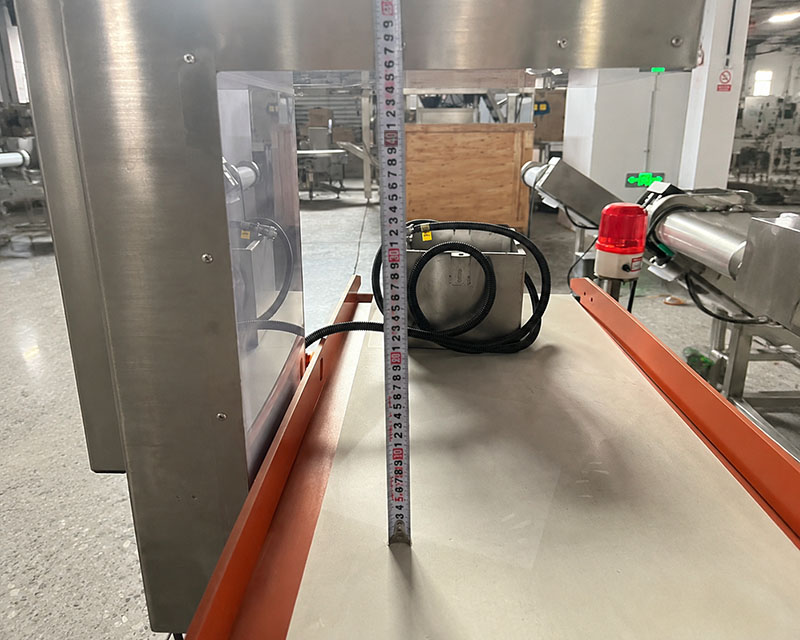
The size of the detection opening directly affects detection performance.
Generally, a larger aperture requires the metal detector to work harder to achieve the same sensitivity. A properly sized detection aperture helps optimize detection performance.
2. Product Characteristics
Not all products behave the same way during metal detection.
Factors such as moisture, salt content, fat content, temperature, and product size can influence the detection results.
For example, fresh meat, cheese, and other high-moisture products may produce a product effect that makes metal detection more challenging.
3. Types of Metal
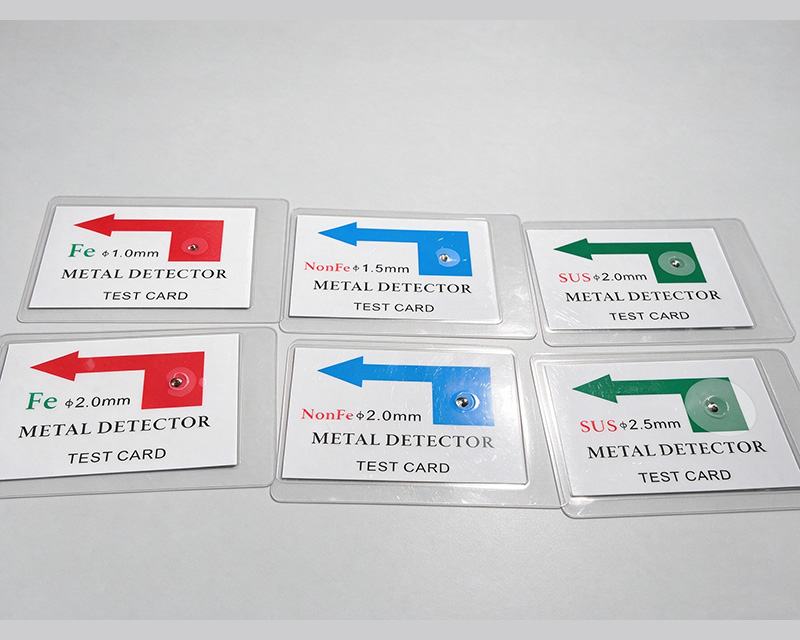
Different metals have different electromagnetic properties, which affect how easily they can be detected.
The three common categories are:
● Ferrous (Fe): Generally easier to detect.
● Non-Ferrous (Non-Fe): Such as aluminum and copper.
● Stainless Steel (SUS): Often more challenging to detect, especially non-magnetic stainless steel such as SUS304.
This is why detection sensitivity specifications are usually listed separately for Fe, Non-Fe, and SUS.
4. Shape and Orientation of Metal Contaminants
Metal contaminants do not always appear as perfect spheres.
They may be wires, fragments, metal shavings, or irregular pieces.
Their shape and orientation as they pass through the detection aperture can influence detection performance.

How Can You Achieve Better Detection Performance?
Choosing the right metal detector is not simply about selecting the machine with the smallest sensitivity value.
It is about matching the equipment to your actual production requirements.
● At HISTOM, we recommend evaluating:
● Product dimensions and characteristics
● Required detection sensitivity
● Metal types of concern
● Production speed
● Installation and operating conditions
Where possible, testing actual product samples is the best way to evaluate the machine's performance for your application.
Looking for a reliable metal detection solution for your production line?
Contact HISTOM. Our team is ready to help you find the right inspection system for your application.
Let's Customized Your Inspection Solution
Every production line is unique. Our experts will help you design a vision inspection system tailored to your products, packaging formats, and quality requirements.


