SCENARIO 1: GLASS & PLASTIC BOTTLE PACKAGING LINE
The Ultimate Defense Against Foreign Objects and "Level/Cap/Label" Labels

Application scenarios: Bottled chili sauce, wide-mouth salad dressing, and squeeze-type ketchup bottles commonly found on supermarket shelves.
Key pain points
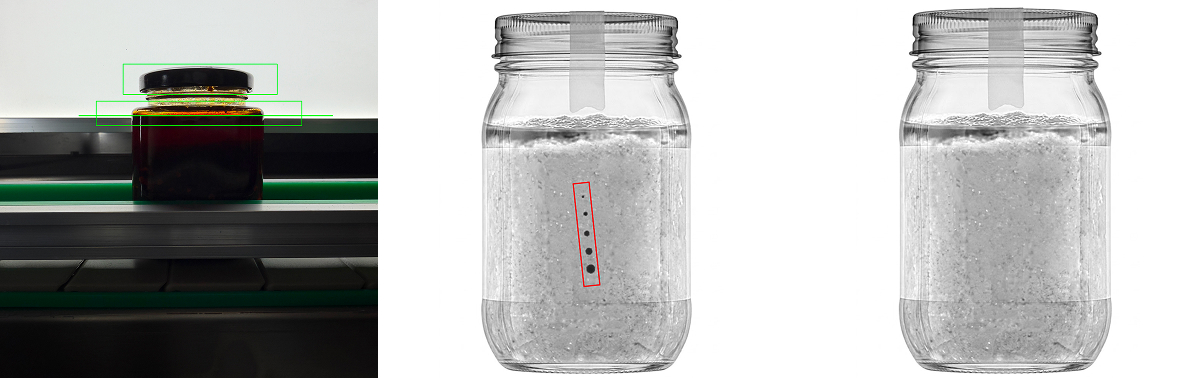
Fatal defects in appearance and sealing: High-speed capping can easily result in incomplete capping (high outer cap/crooked cap), leading to vacuum failure and deterioration; bottle labeling is prone to bubbling and misalignment; foaming during filling can cause inconsistent liquid levels.
Foreign object blind spot: The bottle opening area is prone to forming a blind spot, where tiny foreign objects and sauce are mixed together and are extremely difficult to detect.
Recommended model


Test items
Visual Inspection - High Cover and Anti-theft Ring: Accurately identifies whether the cover is tilted (crooked cover), whether it is properly pressed in (high cover), and whether the anti-theft ring is broken.
Visual inspection - High-precision liquid level: Intelligent algorithms filter out wall adhesion and foam interference, accurately locating the true liquid level height.
Visual inspection - Label Inspection: Identifies height differences between front and back labels, label wrinkles and lifting, and OCR coding defects.
X-ray Inspection: Unique blind spot compensation algorithm avoids blind spots in the bottle opening area, and can also collect and generate images based on different X-ray penetration rates to distinguish sauce particles and foreign objects, accurately identify and remove them.
SCENARIO 1: Stand-up & Spouted Pouches
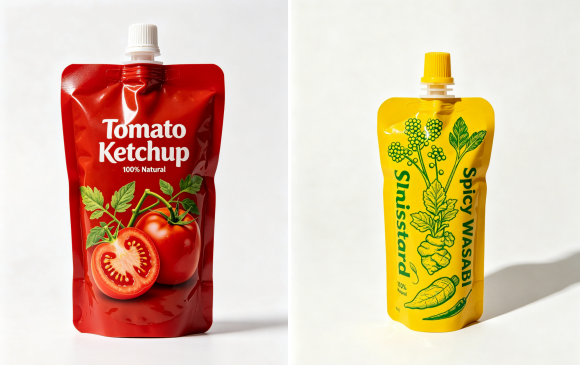
Application scenarios: Large-capacity catering-grade salad dressing, ketchup, blueberry jam, black pepper sauce, etc.
Key pain points
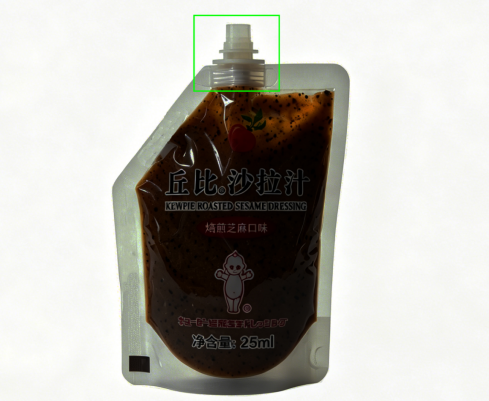
Misaligned nozzle cap: An improperly tightened nozzle cap can cause the liquid to burst during transport due to compression.
Recommended model
Test items
Camera Defect Identification: The vision camera captures images of the nozzle, liquid level, and inkjet printing area, and compares and rejects products with high caps, crooked caps, low liquid levels, or incorrect inkjet printing. The detection content is configurable.
Scene 3:Stick Packs & Back-seal Bags
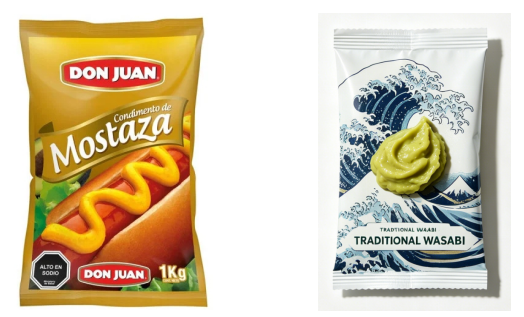
Application scenarios: standard ketchup packets for takeout and fast food, mustard packets with back seals, and instant noodle sauce packets.
Key pain points:
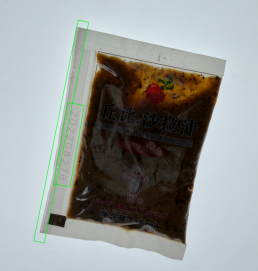
Leaking of sauce due to poor sealing: Thick sauce can easily get stuck at the heat-sealed part of the bag or the welded part of the nozzle, causing poor sealing and leakage of oil and gas from the whole bag.
Poor packaging and cutting: High-speed multi-row packaging machines often experience problems such as bags not being cut properly and serrated edges tearing.
Pattern/coding misalignment: The film conveyor belt deviates, causing the inkjet to be printed on the sealing edge.
Recommended model
Test items:
Sealing and edge sealing inspection: Visually identify asymmetry in the upper and lower sealing dimensions, skewed cutting, and bag-connecting phenomena.
OCR traceability coding: High-speed reading of the production date on the surface of soft bags to reject missing or illegible items.
Scenario 4: Squeeze Tubes Filling Line
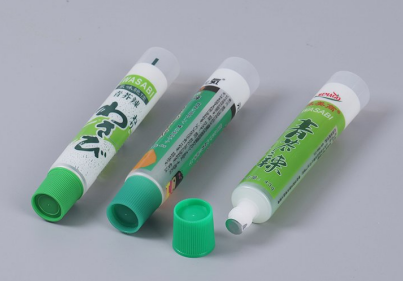
Application scenarios: Japanese wasabi tubes, high-end condiment tubes.
Key pain points:
Leaking and misalignment at the sealing end: If sauce gets trapped when pressing the end of the tube, it will cause poor welding at the sealing end; at the same time, misalignment of the pattern/color mark at the sealing end will seriously affect the product grade.
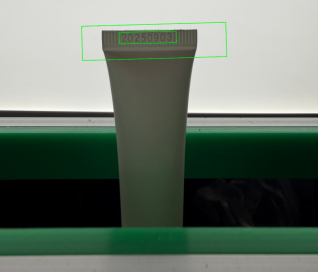
Stamped coding is difficult to identify: The tail of the hose usually uses a physical stamped coding (without color), which is difficult to see with traditional cameras.
Recommended model
Test items:
End-cap pattern correction: Identify the color markings at the end of the tube to ensure that the patterns on the front and back are absolutely centered and symmetrical.
Tail-end leakage: Captures tiny bits of sauce or dirt that have spilled out from the seal indentation.
OCR coding recognition: Customized solutions are available for different coding methods. For example, steel stamp coding uses low-angle dark field lighting to create a three-dimensional shadow on the colorless embossed steel stamp, achieving 100% accurate recognition.