Scenario 1: Meatball, meat patty, and chicken nugget processing production line (Raw Filling Processing) – Bone fragment identification and interception
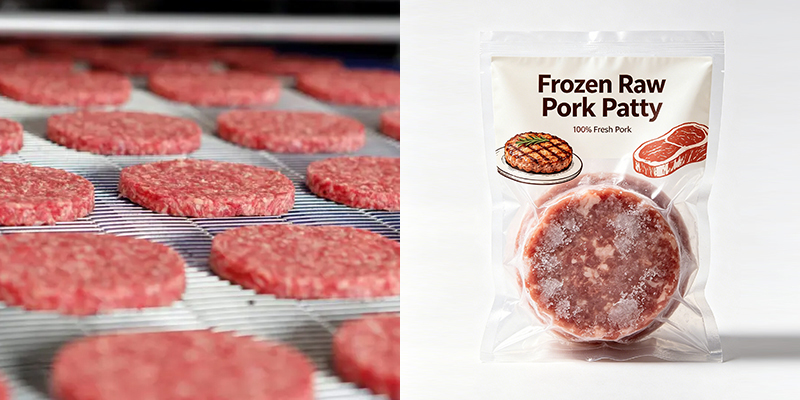
Application scenarios: After dumplings are formed, meat products such as beef balls and meat patties are extruded and then transported in the quick-freezing tunnel (IQF) or packaging machine during the raw material conveying stage.
The core pain point is that pork cartilage and bone fragments are easily left behind during the mincing and mixing process; at the same time, there is a risk of mechanical wear and falling metal fragments when the extrusion molding equipment is running at high speed. If these fragments are not accurately removed before freezing and packaging, they can be found in the finished product and cause serious food safety incidents such as "breaking teeth," leading to huge claims.
Recommended model


Testing items:
Equipped with intelligent optimization algorithms, it can penetrate thick and uneven meat paste and minced meat, and intelligently identify and remove high-density foreign objects such as bones and fish bones, regardless of the frozen state of the materials, thus ensuring product quality.
Scenario 2: Bagged quick-freezing production line

Application scenarios: Frozen dumplings, glutinous rice balls, hot pot meatballs, and meat patties packaged in mainstream 500g-1kg plastic soft bags on the market.
Key pain points:
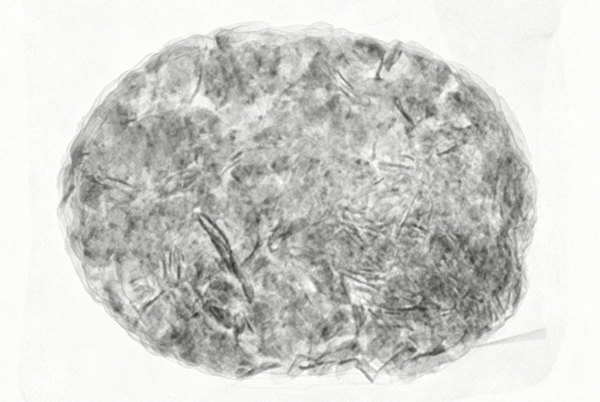
False alarm disaster: Products fresh out of the freezer have a large number of ice crystals on their surface and inside the bags. Ordinary X-ray machines will misidentify the high-density "ice blocks" as glass or stone, resulting in an extremely high false rejection rate.
Missing meatballs: A bag is supposed to contain 30 meatballs. If one meatball is missing during packaging, it can be identified and removed by weight detection to reduce the defect rate.
Defects in sealing and coding: Grease from the edges of dumpling wrappers or the surface of meatballs can easily get stuck at the sealing point of the packaging bag, leading to poor sealing and product drying and deterioration; at the same time, due to the influence of condensation in the cold chain, the production date on the packaging surface is very likely to be blurred, incomplete or missing in the coding, posing serious compliance and return risks.
Recommended model
Testing items:
X-ray Inspection Machine : Intelligently identifies image differences between ice cubes and real dangerous foreign objects (metal/glass), reducing false alarm rates to freezing point.

Visual inspection machine - Sealing and OCR Recognition of Markings: A mounted camera takes an overhead view of the sealing area, compares and identifies wrinkles and missing seals at the bag's sealing point, and captures and reads the production date mark.
Weight checking machine: An online weight sorting machine that dynamically weighs each bag of frozen products, rejecting underweight/overweight products to meet national regulations on net content of quantitatively packaged goods.
Scenario 3: Pallet Packaging
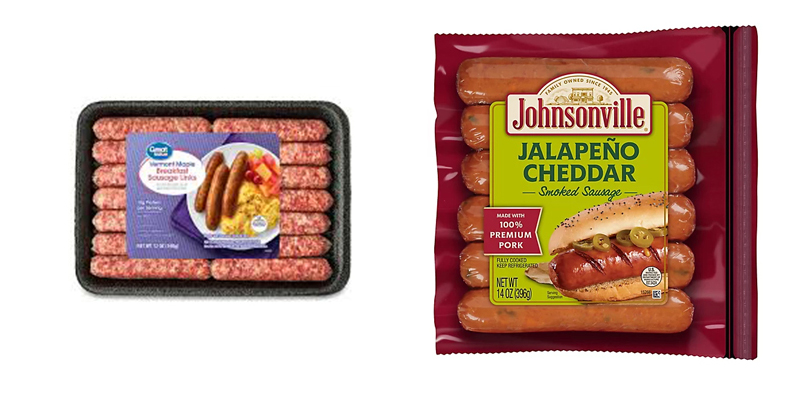
Application scenarios: ready-to-eat frozen meals such as tray sausages, meat patties, and fried dumplings with individual seasoning packets.
Key pain points: Products in plastic trays may contain foreign objects such as bones, and the accompanying "soy sauce packet" or "vinegar packet" is easy to miss.
Recommended model
Inspection items:
X-ray inspection machine detects foreign objects in product materials; vision inspection machine captures images to identify the presence or absence of sauce packets (to prevent leakage); label alignment and inkjet printing verification can also be added.